



sand x desander
The production of high-quality electrolytic tinplate and Tin Free Steel (TFS) requires precise control over material properties and surface characteristics. A critical component in these production lines is the skin pass mill , which provides the final mechanical and surface treatment to the steel strip before coating. Modern 4 hi skin pass mill configurations and hot skin pass mill technologies have significantly enhanced the quality and efficiency of tinplate manufacturing. This article explores the vital role of skin pass rolling in electrolytic tinplate and TFS production, examining its impact on material properties, surface quality, and downstream processing efficiency. The integration of automatic packaging systems further completes these advanced production lines, ensuring optimal handling and protection of the finished product. The Fundamental Role of Skin Pass Mills in Tinplate Production Mechanical Properties Enhancement The skin pass mill serves as the final mechanical processing step in tinplate and TFS manufacturing, where it imparts essential characteristics to the steel strip. By applying a light reduction (typically 0.5% to 3%), the mill relieves internal stresses from previous cold rolling and annealing processes. This controlled deformation improves the strip's yield strength while maintaining sufficient ductility for subsequent forming operations such as can making. The skin pass rolling process also eliminates the yield point elongation phenomenon, preventing Lüders lines that could otherwise appear during stamping or deep drawing of cans and containers. Surface Conditioning for Coating Adhesion Beyond mechanical properties, the skin pass mill critically prepares the steel surface for subsequent electrolytic coating. The process creates a uniformly textured surface topography that enhances the adhesion of tin or chromium oxide coatings in TFS production. Modern 4 hi skin pass mill designs provide exceptional control over surface roughness, allowing manufacturers to tailor the finish according to specific end-use requirements. For food packaging applications, this controlled texture ensures optimal lacquer adhesion while maintaining the required surface appearance. Advanced Skin Pass Mill Configurations The Advantages of 4 Hi Skin Pass Mills The 4 hi skin pass mill configuration has become the industry standard for tinplate and TFS production due to its superior control capabilities. With two work rolls and two backup rolls, this design allows for higher rolling pressures while maintaining precise strip flatness. The small diameter work rolls in a 4 hi skin pass mill enable better surface replication from the roll to the strip, crucial for achieving the exact surface finish required in tinplate applications. Additionally, this configuration provides better crown control compared to 2 hi mills, ensuring consistent material properties across the entire strip width. Hot Skin Pass Mill Applications Some advanced production lines incorporate hot skin pass mill technology, where the skin pass operation occurs at elevated temperatures. This variation offers several advantages for certain tinplate grades, including improved formability and reduced springback. The hot skin pass mill is particularly beneficial for thicker gauge materials or special alloy compositions where room temperature skin passing might not provide sufficient property modification. The controlled heating allows for more efficient stress relief and can contribute to energy savings in the overall production process. Skin Pass Mill Process Integration in Electrolytic Coating Lines Synchronization with Electrolytic Tinning Units The skin pass mill in tinplate lines operates in perfect synchronization with downstream electrolytic tinning units. The precisely controlled surface texture from skin passing ensures uniform current distribution during the electroplating process, leading to consistent tin coating thickness. Modern mills feature advanced automation systems that adjust rolling parameters in real-time based on incoming strip characteristics and desired final product specifications. This integration is crucial for maintaining tight tolerances on coating weights, which directly impacts both product performance and material costs. Surface Treatment for TFS Production In Tin Free Steel (TFS) production lines, the skin pass rolling process takes on additional importance. The chromium oxide coating applied to TFS requires an optimally prepared surface to ensure proper deposition and corrosion resistance. The skin pass mill in these lines creates a surface that promotes uniform chromium oxide layer formation while maintaining the steel's inherent corrosion resistance. The precise control offered by modern 4 hi skin pass mill technology allows manufacturers to produce TFS with varying surface roughness values tailored to different end uses, from food cans to decorative applications. Skin Pass Mill : Quality Control and Surface Inspection Real-time Monitoring Systems Contemporary skin pass mill installations incorporate sophisticated monitoring systems to ensure consistent product quality. Laser profilometers measure surface roughness immediately after skin passing, providing feedback for automatic mill adjustments. Flatness measurement systems using laser or CCD camera technology verify strip shape, allowing for dynamic roll bending corrections. These quality assurance measures are particularly critical in tinplate production, where surface defects could compromise coating uniformity or final product performance. Defect Prevention and Elimination The skin pass rolling process serves as the last opportunity to address certain types of surface imperfections before coating. Light reductions can help minimize or eliminate minor surface defects from previous processing steps. Modern mills employ advanced roll grinding techniques and surface treatment technologies to prevent the transfer of roll imperfections to the strip. The use of specially textured rolls in 4 hi skin pass mill configurations allows for the creation of reproducible surface patterns that can mask certain types of inherent material imperfections. Automation and Smart Manufacturing of Skin Pass Mill Adaptive Control Systems State-of-the-art skin pass mill operations now incorporate adaptive control systems that automatically adjust rolling parameters based on incoming strip characteristics. These intelligent systems analyze data from multiple sensors to optimize force, tension, and speed settings for each coil. Machine learning algorithms continuously improve process efficiency by identifying patterns in material behavior and adjusting the skin pass rolling strategy accordingly. This level of automation ensures consistent quality while maximizing productivity. Integration with Automatic Packaging Systems The production line doesn't end at the skin pass mill . Modern tinplate and TFS facilities feature complete automatic packaging systems that handle the finished product with precision and care. These systems receive the skin-passed and coated strip, applying protective coatings or oils before precision winding. Advanced automatic packaging systems then apply edge protection, label the coils, and prepare them for shipment with minimal human intervention. This seamless integration from processing to packaging maintains product quality while optimizing logistics efficiency. Environmental Considerations and Energy Efficiency of Skin Pass Mill Reduced Material Waste The precision of modern 4 hi skin pass mill technology contributes significantly to material conservation in tinplate production. By ensuring optimal material properties and surface quality on the first pass, these mills minimize the need for rework or scrap. The accurate control of reduction rates prevents over-processing, which could otherwise lead to unnecessary material thinning or property degradation. Energy Efficient Operations Contemporary skin pass mill designs incorporate numerous energy-saving features. Hydraulic systems with regenerative capabilities recover energy during deceleration phases, while advanced drive systems optimize power consumption. The integration of hot skin pass mill technology in some lines provides additional energy benefits by utilizing residual heat from previous processing stages, reducing the need for additional energy input. The skin pass mill remains an indispensable component in modern electrolytic tinplate and TFS production lines. From the precision of 4 hi skin pass mill configurations to the specialized applications of hot skin pass mill technology, these systems provide the critical final mechanical and surface treatment required for high-quality coated steel products. The integration of advanced process control, real-time quality monitoring, and automatic packaging systems creates a seamless production flow that ensures consistent, high-performance output. As the industry continues to evolve, ongoing advancements in skin pass rolling technology will further enhance product quality, production efficiency, and environmental sustainability in tinplate and TFS manufacturing. The continued refinement of these systems will play a crucial role in meeting the ever-increasing demands of the global packaging industry.

We have successfully executed over 500
projects around the world,
many first-of-their-kind
research projects and products in China, including
We have successfully executed over 500
projects around the world,
many first-of-their-kind
research projects and products in China, including
-
2004
The 1st hydraulic AGC system for hot rolling of ribbon steel
-
2006
The 1st AFC system used for 1450mm skin pass mill
-
2009
The 1st 5-stand tandem line with 2-stand POR & Uncoiler for 650mm ribbon steel
-
2012
The 1st reversing mill for 1380mm strip
-
2016
The 1st soft-rolling system used in skin pass mill
-
2019
The 1st fully automated medium-width tandem cold rolling mill
-
2021
The 1st 5000KN Twin-stand double skin pass mill
-
2022
The 1st coupled pickling line & tandem cold mill with two modes - big roller & small roller


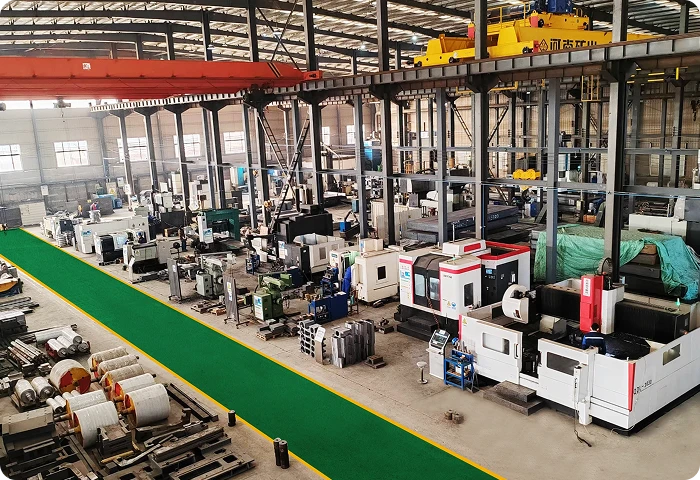
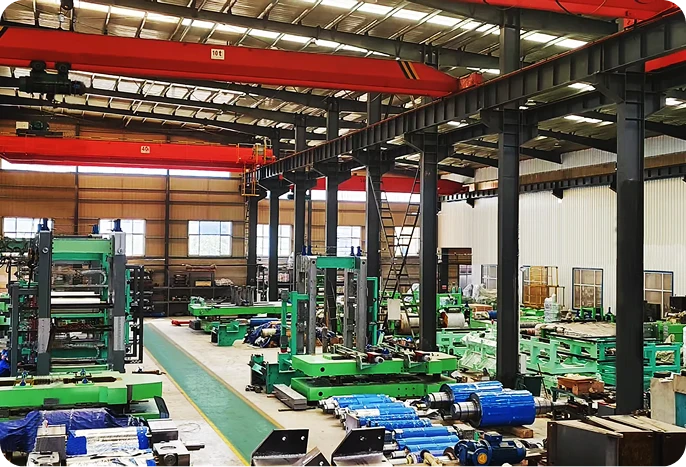
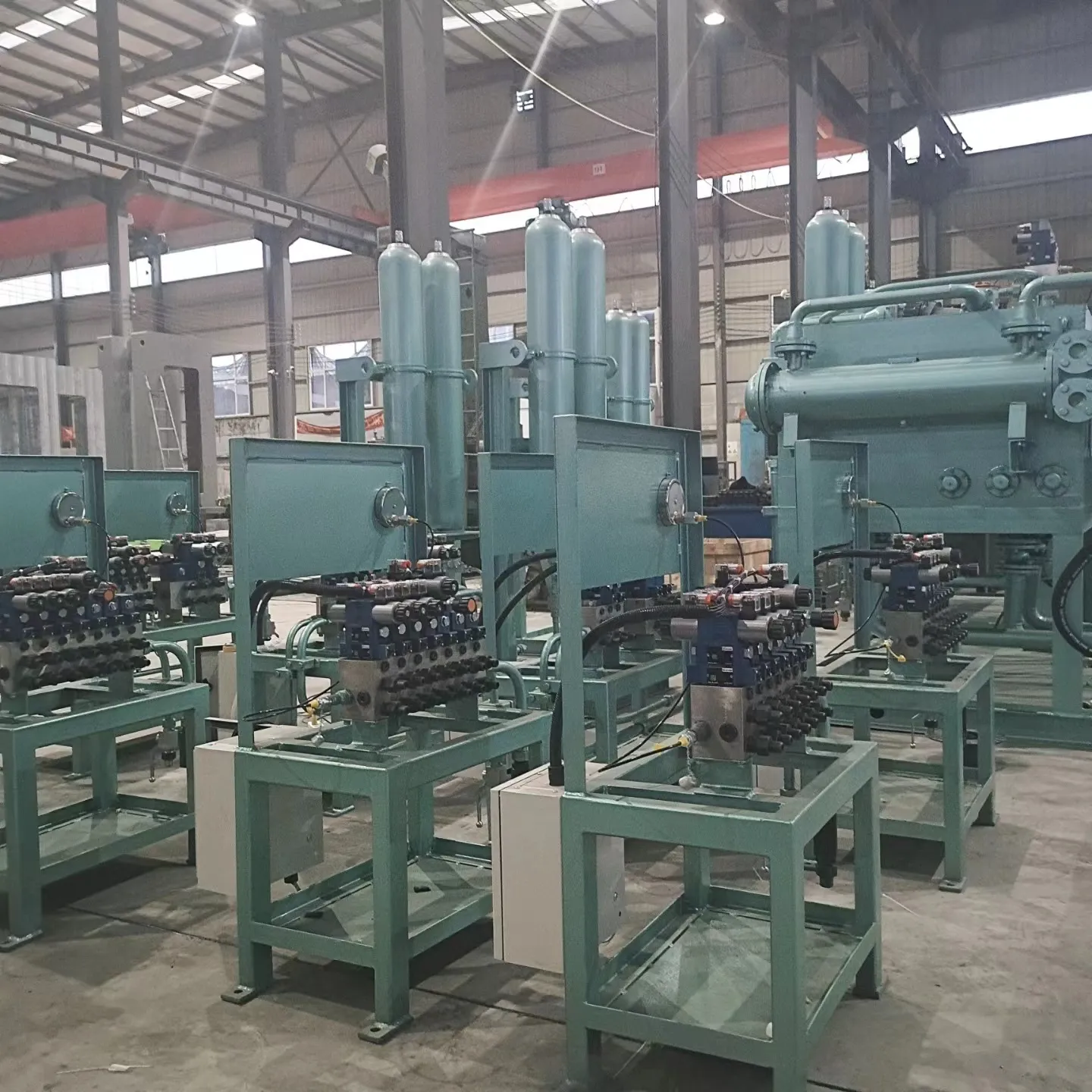
Yang Wang Li Xin operates a state-of-the-art facility over 66,000 square meters,and our manufacturing facility is fully equipped with high-tech machinery and high-capacity cranes. This enables us to handle large work pieces measuring 4.5m in width, 10m in length, and 1.5m in height, guaranteeing our capacity to produce 1800mm skin-pass mills and 1450mm rolling mills. The individual piece can weigh up to 100 tons.


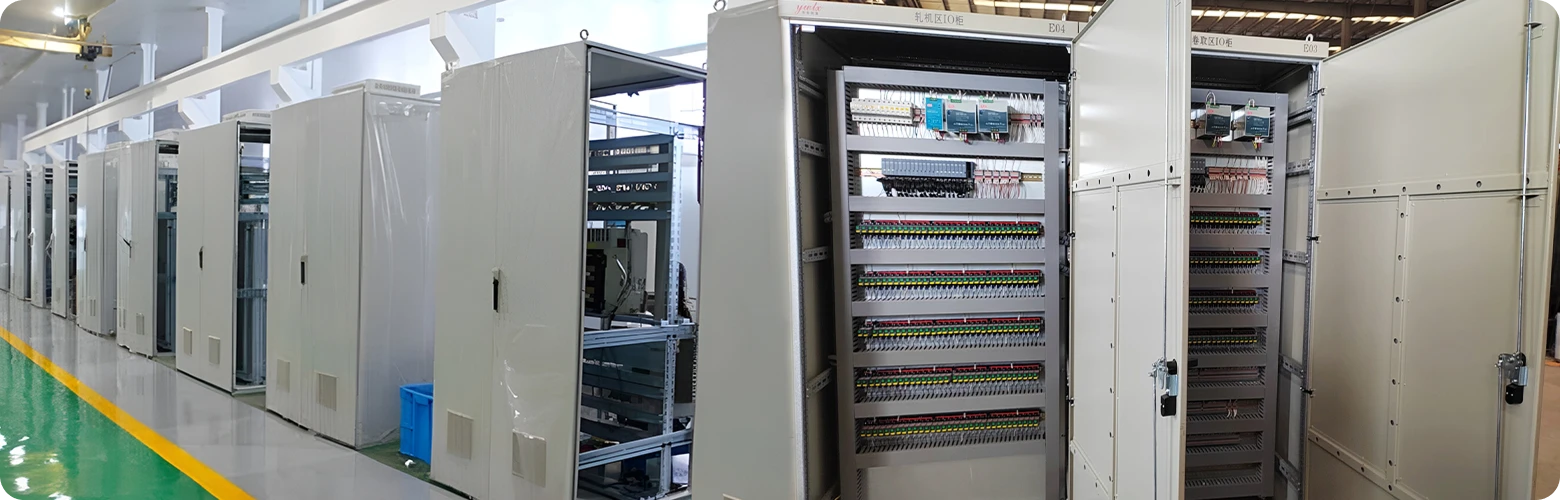
Quality is fundamental to the enterprise survival. We have established a comprehensive and meticulous quality management system and have successfully obtained ISO14000 certification. Starting from the design source, it supervises the entire production cycle, including design, procurement, processing, assembly, in-factory testing, installation, and online commissioning. The workshop is equipped with measuring tools like vernier calipers, spectrometers, hardness testers, and ultrasonic flaw detectors. They are used to check materials and control tolerances to ensure the final equipment meets or exceeds requirements. All products have a unique code, This enables the easy identification and traceability of the equipment components and ensures full control of quality.


-
 製鉄所株式会社In the realm of industrial marvels, Seitetso Co., Ltd. stands as a beacon of innovation and expertise in the steel manufacturing sector . As a leading entity in this field, Seitetso Co., Ltd. has been setting the benchmark for high-quality steel production, while embodying the principles of Experience, Expertise, Authoritativeness, and Trustworthiness—often referred to as the E-E-A-T framework in
 -
 Key Components of Hydraulic Automatic Gauge Control (AGC) SystemsHydraulic Automatic Gauge Control (AGC) systems are integral to industries where precise and consistent material thickness is essential, such as in the metal rolling, paper, and aluminum manufacturing industries. The primary function of AGC systems is to automatically adjust the gap or pressure between rollers in the production process, ensuring that the material is processed to the exact thicknes
 -
 Reversing Rolling Mill | Precision, Flexible, Energy-Savingreversing rolling mill, 4hi reversible cold rolling mill, 6 hi reversing cold rolling mill is a key solution in the manufacturing industry, specifically within Special Equipment Manufacturing Industry and Manufacturing of metallurgical specialized equipment. This article explores how Beijing Yang Wang Li Xin Sci&Tech Co.,Ltd. supports professionals with durable, high-performance products, and expl


